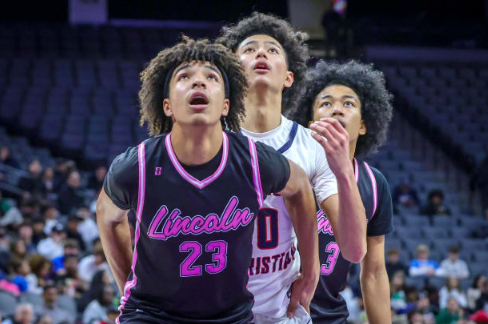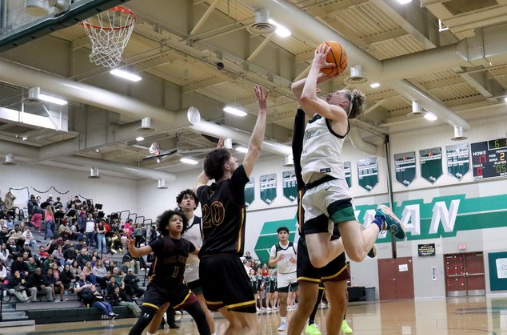

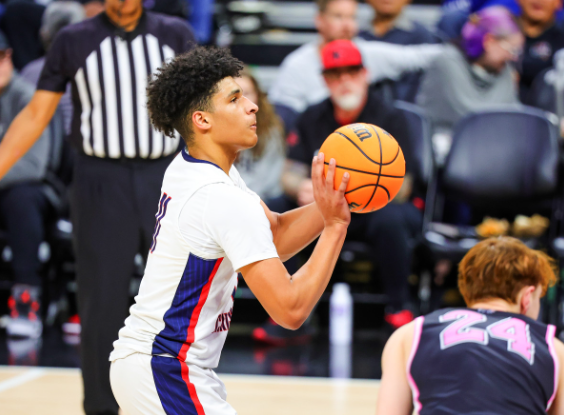
As the final buzzer echoes through the gym, signaling the end of another grueling basketball season, many of us find ourselves battling fatigue. Months of intense practices, adrenaline-fueled games, and late nights on the court can take a toll on both body and mind. But fear not, for there are ways to rejuvenate and recharge before summer camp arrives.
Firstly, prioritize rest and recovery. Allow your body the time it needs to heal and recuperate from the demands of the season. Get plenty of sleep, eat nutritious meals, and stay hydrated to replenish energy levels.
Next, incorporate low-impact activities like yoga, swimming, or leisurely walks to stay active while giving your joints and muscles a break. These activities can also help reduce stress and promote mental well-being.
Lastly, don't underestimate the power of mental rejuvenation. Take time to unwind, indulge in hobbies, spend time with loved ones, and engage in activities that bring you joy and relaxation.
By implementing these strategies, you'll be ready to tackle summer camp with renewed energy, vigor, and enthusiasm.